Yellowstone Adventure Blog
Notes from the Backcountry
Fly fishing the Grand Canyon of the Yellowstone
The Yellowstone River is an iconic waterway with plenty of elbow room and plenty of wild and beautiful cutthroat trout.
Standing knee-deep in the Yellowstone River you steady yourself against the fast-moving current. After just a few casts you feel a subtle tug at the end of your line just below the water's surface. You instinctively raise your fly rod toward the sky, adjusting the direction of the rod to the left and then back to the right as you work to maintain tension on the line. A large fish frantically breaks the surface in a flash of color before diving back into the depths of the river. Your fly rod bends under the weight of the fish as you slowly and carefully reel in your quarry, a beautiful native cutthroat trout, common in both the Yellowstone River and Yellowstone Lake. On a good day it’s a wonderful process that repeats itself with nearly every cast.
Cutthroat are abundant in the Yellowstone River and this stretch of water sees very little pressure from fishing. The 6.5 mile hike from the Specimen Ridge Trailhead is a mix of steep climbs, rolling grasslands and an even steeper descent that keeps all but the most dedicated fly fishermen from this remote backcountry location. Regardless, it’s probably one of the best fly fishing destinations in all of Yellowstone and getting here is an exciting part of the journey.
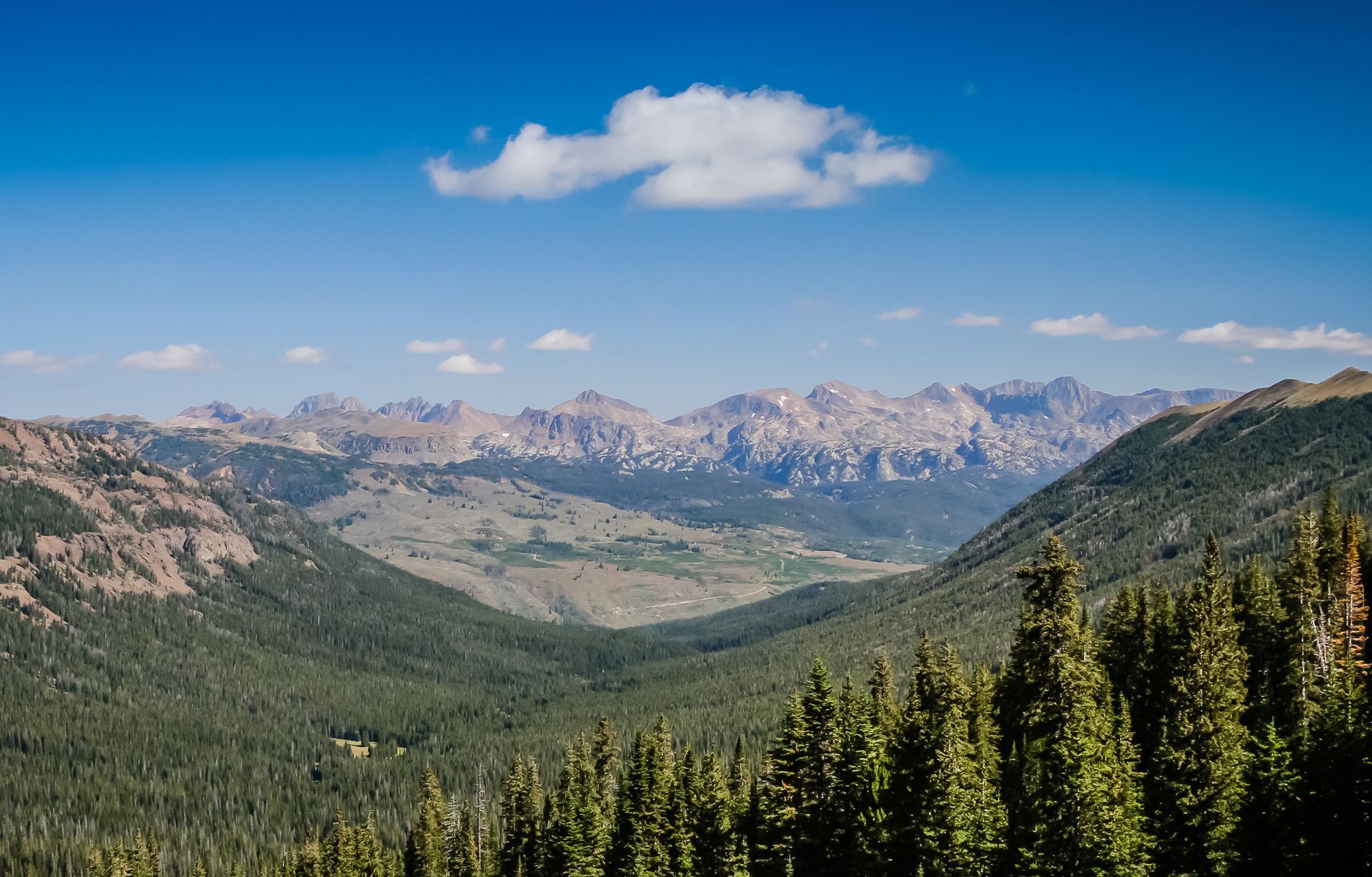
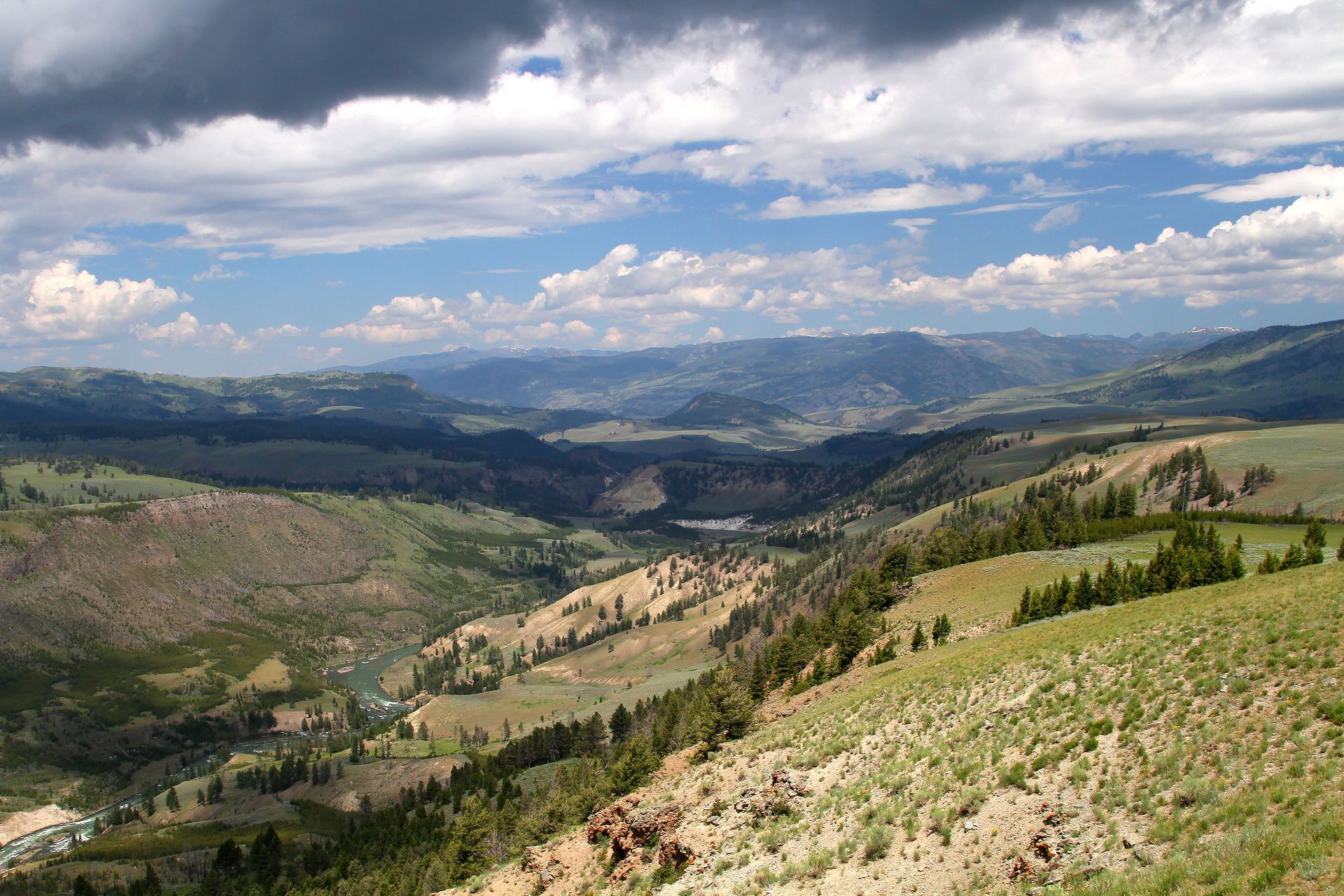
The Agate Creek Trail starts high above the Yellowstone River and provides spectacular views of this iconic waterway as it leaves the confines of the Grand Canyon of the Yellowstone on its 671-mile journey to join the Missouri River. The trail is only accessible from the Specimen Ridge Trailhead which is located east of Tower Junction as you’re heading toward the Lamar Valley. At the trail's highest point you’ll be treated to beautiful panorama’s of the surrounding landscape before descending approximately 1,300 feet to the river below. The only backcountry campsite (2Y1) is situated a short distance above the river so you’re guaranteed to have this location all to yourself if you stay here for a night or two.
As you traverse the Agate Creek Trail you’ll often find elk, bison, bighorn sheep and American pronghorn roaming this immense landscape, grazing on the lush grasses found on these gently rolling hillsides above the river. Depending on the time of year, a variety of wildflowers blanket the landscape, while insects dart frantically between the brightly colored flowers in an effort to collect the pollen before Yellowstone’s brief summer comes to an end. Elk antlers, or “sheds” are as prolific as the wildflowers and industrious hikers will often collect the antlers and stack them in large piles beside the trail, or in sizable clusters surrounding the rock cairns and trail markers. The bleached bones of the aforementioned animals are also common sight, transported from their place of origin—or their final resting place as the case may be—by a variety of animals that were lucky enough to scavenge a meal from the once bountiful carcass.
The Yellowstone River is one of the last free-flowing rivers in the Lower 48 and was given the name “Mi tse a-da-zi” or “Rock Yellow River” by the Minnetree tribe that occupied an area east of what would eventually become the national park. French-Canadian trappers translated the word into “Roche Jaune” and subsequent English translations became “Yellow Stone” and finally “Yellowstone.” The headwaters of the Yellowstone can be found just outside the park’s southeastern boundary along the flanks of Younts Peak. The peak is named after Harry Yount, a frontiersman from Missouri who was hired as Yellowstone’s first “gamekeeper,” or what we might recognize as our modern day “park ranger.” Yount was hired by the park’s second superintendent Philetus Norris and was saddled with the daunting task of protecting Yellowstone’s wildlife from all manner of harm. A task that was too big for any one person given the park’s remote location and lack of roads during Yount’s brief tenure as Yellowstone’s only gamekeeper.
As the Yellowstone River enters the park from the south it meanders through an area known as the Thorofare, a beautiful and remote river valley flanked by the towering peaks of the Absaroka Mountains to the east and the Two Ocean Plateau to the west. The Thorofare Ranger Station is considered the furthest dwelling from any road in the Lower 48 at a distance of thirty two miles and was an easy route to and from the Tetons. From here the Yellowstone River enters the clear and cold waters of Yellowstone Lake, the largest high-elevation lake in North America over 7,000 ft, with more than 141 miles of rocky shoreline. As the river exits the lake near Fishing Bridge it continues its journey northward through the Hayden Valley, a haven for a variety of Yellowstone’s iconic wildlife. Before long the slow moving waters of the Yellowstone River tumble over two successive waterfalls; the Upper Falls (109 ft.) and the Lower Falls (308 ft.) before it finally enters the Grand Canyon of the Yellowstone. Our destination sits at the northern end of this rugged canyon that runs for nearly twenty miles.
This hike takes a fair amount of energy so plan accordingly. Your legs will probably be tired from the 6.4 mile hike (one-way) but once you get settled it's easy to find the energy need to wet a line. The campsite is located about two tenths of a mile above the Yellowstone River so if you plan to fly fish you'll want to make sure you have all your gear organized before you drop down to the river. The trail is still fairly steep near the campsite, making quick trips back and forth a bit tedious. Regardless, this is a great place to spend a day or two fishing alongside this remote section of the Yellowstone River.